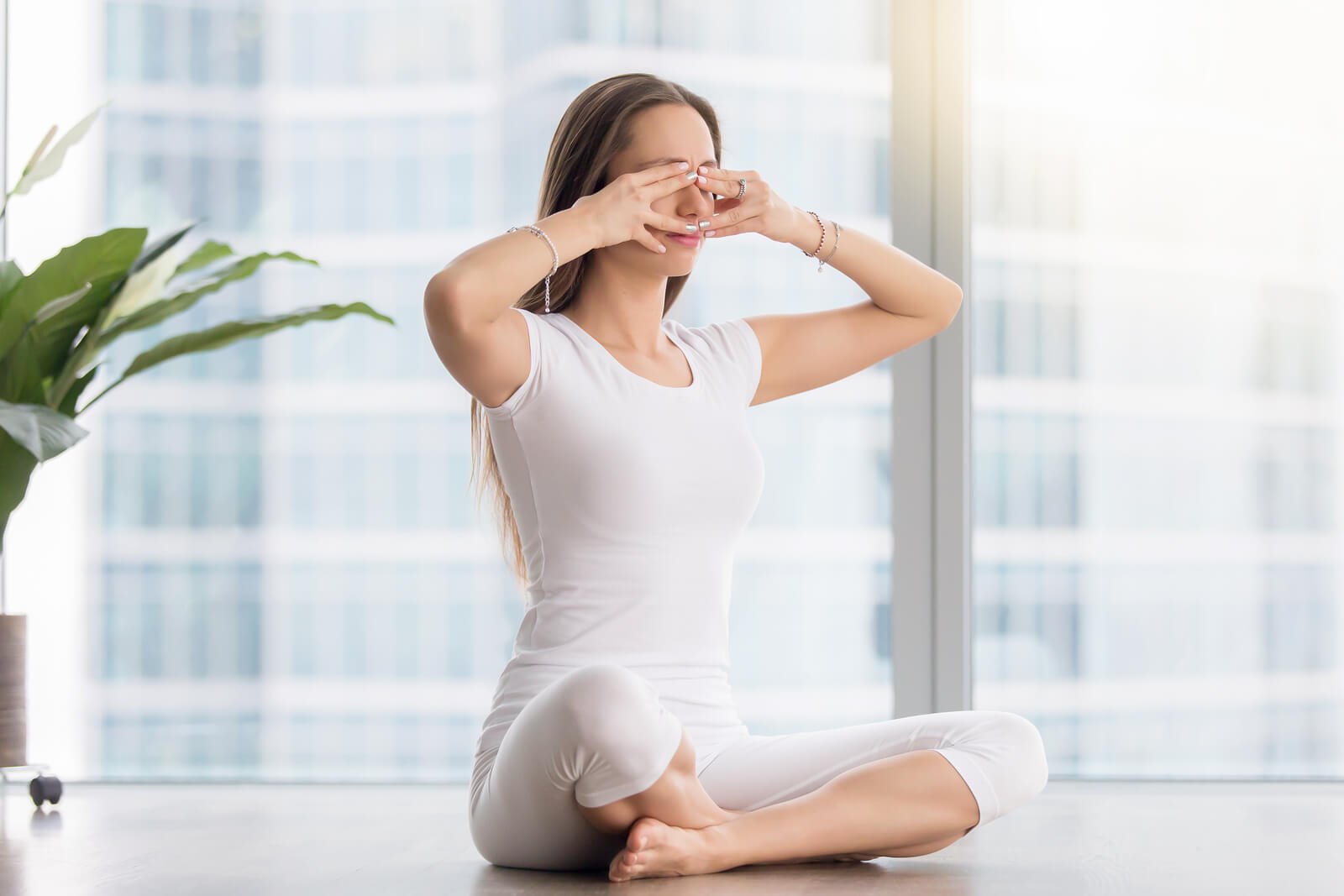
Your Eyes: More Than Just a Window to the Soul
They say the eyes are the window to the soul—and they’re not wrong. Your eyes don’t just help you see the world around you; they also shape how you experience it, both physically and spiritually. Because of that, taking care of your eyes is a big deal!
Remember when you were a kid and your parents told you not to sit too close to the TV or not to read in the dark? They were on to something. Fast forward to adulthood, and most of us put even more stress on our eyes—staring at screens for eight or more hours a day, then scrolling through social media late into the night without even realizing the impact.
So, How Can You Reduce Eye Strain?
Giving your eyes regular breaks from screens is a great start. But did you know there are exercises—and even yoga practices—specifically designed to relax and refresh your eyes?
What Exactly Is Eye Strain?
Eye strain happens when your eye muscles stay locked in one position for too long. Just like the rest of your body, your eyes need both movement and rest to stay healthy.
Common signs of eye strain include:
- Squinting
- Rubbing your eyes
- Watery or itchy eyes
- Headaches
- Eye fatigue or soreness
- Light sensitivity
- Dry eyes
- Blurred or double vision
- Trouble concentrating
Easy Ways to Prevent Eye Strain
Eye strain can sneak up on you—especially if you’re doing something that demands focus, like driving long distances or staring at screens. Here’s how to stay ahead of it:
- Mind your screen distance: Keep your TV or computer at a comfortable distance. Reduce screen glare with settings like Dark Mode or by lowering brightness.
- Use proper lighting: Reading or working in low light can make your eyes work harder. Always have enough light around you.
- Wear your glasses or contacts: If you’ve been prescribed them, wear them! It helps prevent squinting and unnecessary eye strain.
- Blink and hydrate your eyes: Blink regularly, try yoga-based eye exercises, or use eye drops if your eyes feel dry.
- Improve your air quality: A dry room can affect your eyes. Consider adding a humidifier or houseplants for a natural boost.
Why Yoga for the Eyes Works
Yoga eye exercises help relax and refresh all the small, hard-working muscles in your eyes. While eye strain typically doesn’t cause long-term damage, these exercises can help with:
- Reducing strain
- Preventing headaches and migraines
- Easing eye irritation
- Relaxing the eyes
- Lowering stress
- Supporting long-term eye health
Yoga Eye Exercises to Try
You’ve probably done yoga for your body—why not for your eyes? These simple exercises give your eyes a break from screen time and daily stress.
1. Palming
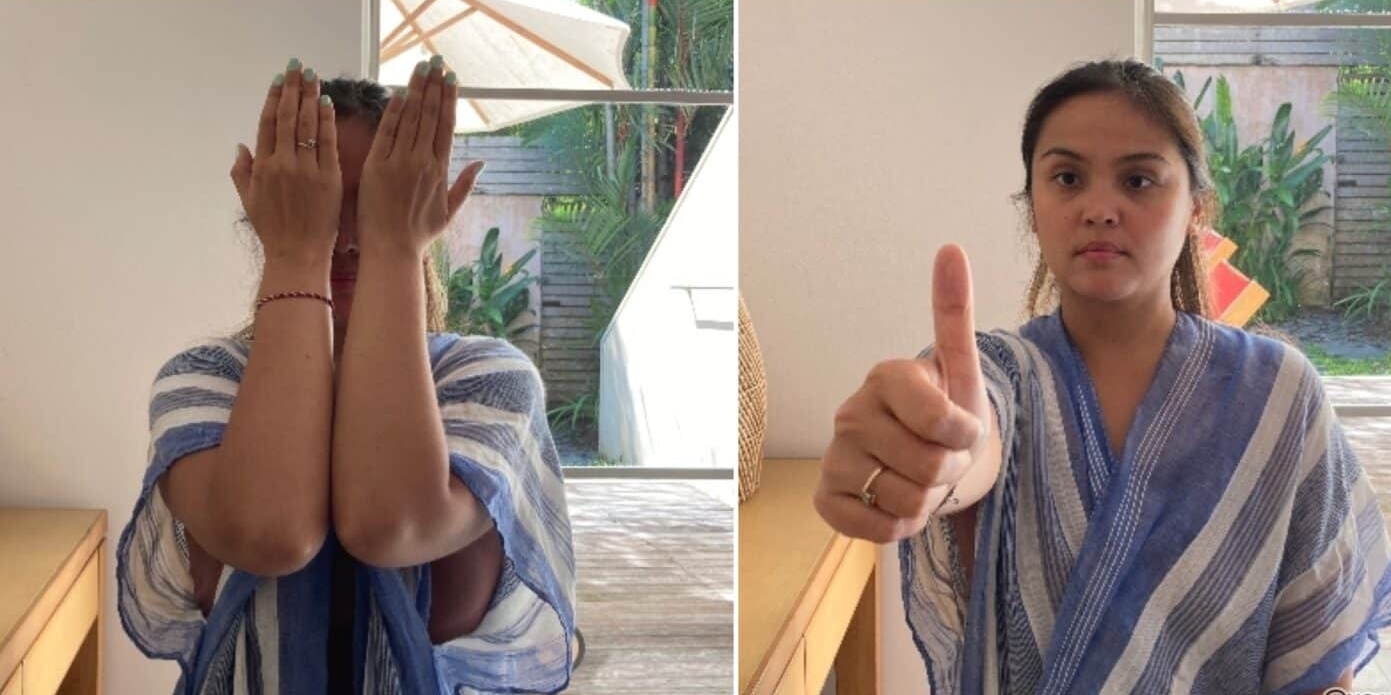
Perfect for screen breaks.
- Sit cross-legged or in a chair with a straight back.
- Close your eyes.
- Rub your palms together to warm them.
- Gently cup your palms over your eyes, fingers pointing upward.
- Let the warmth relax your eyes. Stay here for a few breaths.
2. Eye Rolling
A little eye roll can go a long way.
- Sit tall, breathe naturally.
- Tuck your chin slightly to elongate the back of your neck.
- Look up and slowly roll your eyes clockwise.
- Notice your peripheral vision as you move.
- Do this 3 times, then reverse the direction.
3. Zooming
A quick way to relieve screen stress.
- Extend your arm with a thumbs up.
- Focus on your thumb and slowly bring it closer until it’s blurry.
- Hold for a moment, then extend your arm again.
- Repeat 3–5 times.
4. Distant Gazing
Great for those glued to screens all day.
- Choose something far away to focus on.
- Keep your face and eyes relaxed.
- Inhale, then shift your gaze to another distant object.
- Repeat, alternating between different distances.
5. Figure of Eight
Train your eyes with movement.
- Sit comfortably and extend your right arm forward.
- Make a fist with your thumb pointing up.
- Trace a large figure 8 in the air with your thumb.
- Keep your head still and follow the motion with your eyes.
- Switch hands and repeat.
6. Drishti (Focused Gaze)
Used often in yoga postures, this sharpens your attention.
Practice by softly focusing your gaze on one unmoving point. Some popular drishti points:
- Nasagram Drishti – tip of the nose
- Ajna Chakra Drishti – space between eyebrows
- Nabhi Chakra Drishti – the navel
- Hastagram Drishti – your hand
- Padayoragram Drishti – your toes
- Parshva Drishti – look right or left
- Angushthamadhyam Drishti – your thumbs
- Urdhva Drishti – gaze upward
7. Trataka (Candle Gazing)
A meditative exercise for inner and outer focus.
- In a quiet, dim room, sit comfortably.
- Light a candle about two feet away.
- Gaze at the flame—focus on the middle, just above the wick.
- Keep your attention on the flame for a few minutes.
- Blink as needed, and let your mind settle.
How Often Should You Practice Eye Yoga?
Every day! Especially if your work involves long screen hours. These exercises only take a minute or two, and even doing them a few times daily can make a big difference.
Try the 20-20-20 rule: Every 20 minutes, look at something 20 feet away for at least 20 seconds. Mix in an eye yoga exercise during that break to feel refreshed.
Even if you don’t feel strained often, adding one or two exercises to your morning or bedtime routine can help maintain good eye health.
Eat Your Way to Better Eyes
Your diet plays a huge role in eye health. Make sure you’re getting enough zinc, copper, vitamin C, vitamin E, beta carotene, lutein, and omega-3 fatty acids. Here’s how:
- Fish: Salmon, tuna, sardines, and trout are full of omega-3s for retinal health.
- Nuts: Almonds, walnuts, and cashews are packed with vitamin E and omega-3s.
- Seeds: Chia, flax, and hemp seeds are small but powerful antioxidants.
- Citrus fruits: Oranges, grapefruits, and lemons are loaded with vitamin C to fight off cataracts and degeneration.
- Leafy greens: Spinach, kale, and collards offer a boost of vitamins C and E.
- Carrots: Rich in beta carotene, they help improve night vision.
- Eggs: Especially the yolks—they contain vitamin A, lutein, and zinc, all essential for eye function.
The Spiritual Side of Eye Health

In many traditions, especially yoga, the eyes aren’t just physical—they hold deep spiritual meaning. Ever heard of the third eye? It’s linked to your sixth chakra and sits right between your eyebrows. This energy center is associated with:
- Intuition
- Imagination
- Insight
- Connection to a higher self
When your third eye is out of balance, you might deal with:
- Headaches
- Vision issues
- Disconnection from intuition
- Poor memory or dream recall
But when it’s aligned, you’ll feel:
- More self-aware
- More connected
- Sharper focus and clarity
Poses and practices to support the third eye:
- Child’s Pose
- Corpse Pose (Savasana)
- Meditation
- Chanting “Om”
Keep Your Eyes Bright—Inside and Out
Your eyes deserve a place in your self-care routine. Support them physically with healthy foods and daily exercises. Nurture them spiritually with practices that activate your third eye. With just a few minutes a day, you can keep your eyes clear, rested, and full of light—both outside and within.
Leave a Reply