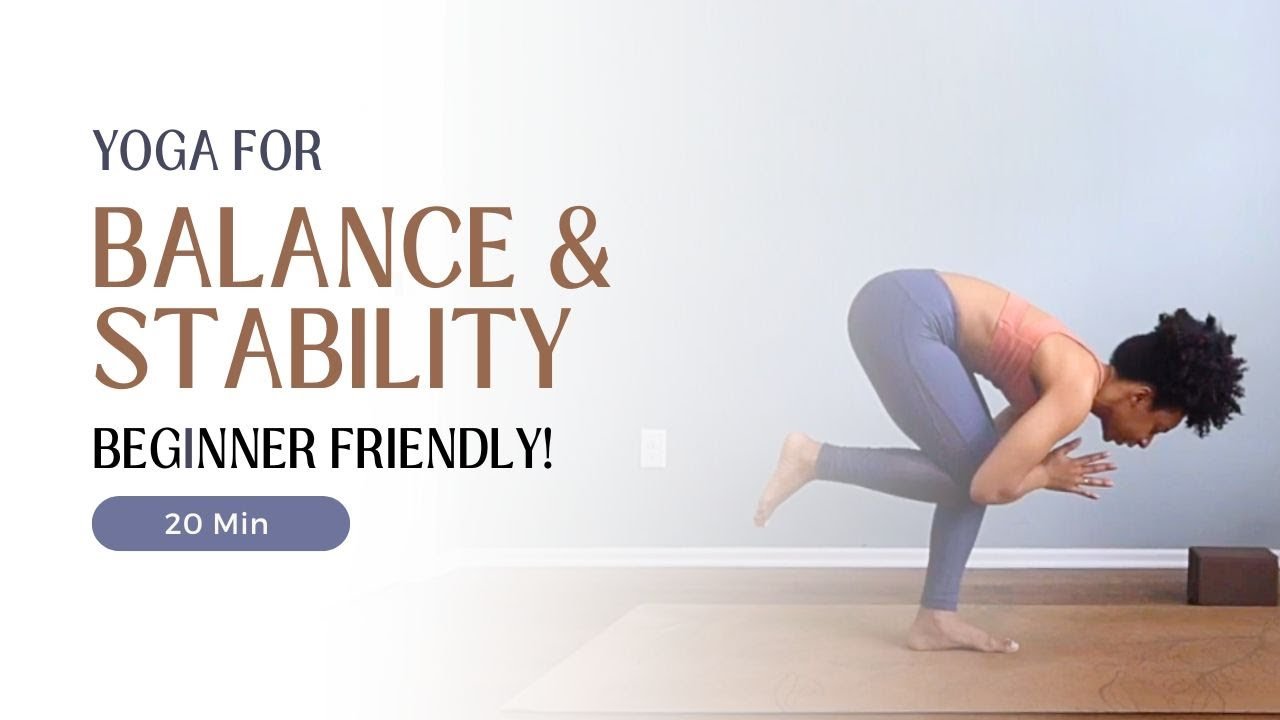
Keep Falling Out of Tree Pose? You’re Not Alone
If you’ve ever toppled out of Tree Pose during your power yoga class, trust me—you’re not the only one. For some yogis, balancing comes naturally. For others, staying steady on one foot feels nearly impossible. So what can you do if you’re constantly losing your balance in yoga?
Yoga is designed to help improve your balance and stability, but it can feel frustrating when you keep tipping over. Just know this: balance takes time. If you’re struggling now, it doesn’t mean you won’t get better. Start with yoga flows that focus on stability, strength, and flexibility. With steady practice, you’ll definitely see progress.
Why Is Balancing So Hard?
It’s totally normal to find balancing poses challenging, especially when you’re new or trying something tough like Standing Bow. Here are a few common reasons you might be struggling:
- Using the wrong muscles: You might be super fit or athletic, but balancing is all about engaging the right muscles. Sometimes sports or other workouts don’t strengthen the small stabilizing muscles you need for one-legged poses.
- Lack of focus: Rushing into poses or letting your mind wander can throw your balance off. Try to slow down, focus your mind, and ease into each posture with intention.
- Forgetting to breathe: Ever notice you’re holding your breath in a tough pose like Eagle? That tension can knock you off balance. Instead, take a deep breath, ground yourself, and use your breath to steady your body and calm your mind.
Why Improving Balance Matters
Balance isn’t just about standing still—it plays a huge role in your overall health. It helps prevent falls, keeps your muscles engaged, and improves coordination. And like strength or flexibility, it’s something you can train and improve.
Benefits of better balance:
- Builds muscle strength
- Reduces injury risk
- Boosts focus and mental clarity
- Improves flexibility and agility
Can Yoga Actually Help?
Absolutely! Yoga is one of the best ways to boost your balance. A consistent practice strengthens your core, improves flexibility, and teaches you how to focus—all of which are key for staying steady.
Some yoga poses help you balance on one leg or your hands, while others build stability throughout your whole body. But more than that, yoga trains your center—so you feel more balanced from the inside out.
Yoga Tips for Better Balance
- Find your Drishti: Your Drishti is your focused gaze. If your eyes are darting around the room, it’s harder to stay steady. Pick a soft, unmoving spot to look at while you balance.
- Activate your muscles: If your knees or toes hurt in balancing poses, you might be over-relying on flexibility instead of strength. Engage your muscles mindfully to stay supported.
- Be patient: Progress in yoga is a journey, not a race. Celebrate your small wins and don’t be too hard on yourself when things feel shaky.
- Build a strong foundation: Whether you’re on one foot or both hands, make sure you feel grounded. Push into the mat, engage your muscles, and feel connected to the floor.
- Calm your mind: A restless mind makes for a wobbly body. Stay present by focusing on your breath. When your mind quiets down, balance comes more naturally.
A 30-Minute Balance + Stability Yoga Routine
Here’s a simple routine to help you build balance and strength. Split it into three parts: warm-up, balancing poses, and cool down.
Warm-Up (10 Minutes)
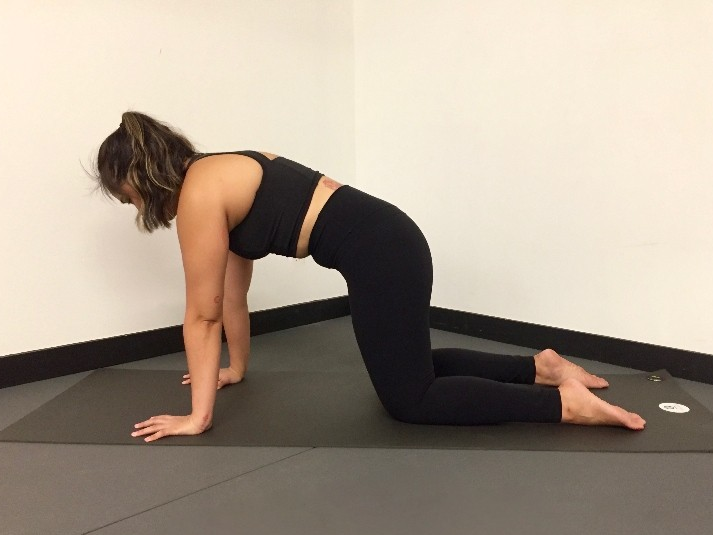
Tabletop
- Start on hands and knees.
- Align wrists under shoulders, knees under hips.
- Engage your core by pulling your belly in.
- Hold for 5 breaths.
Downward Dog
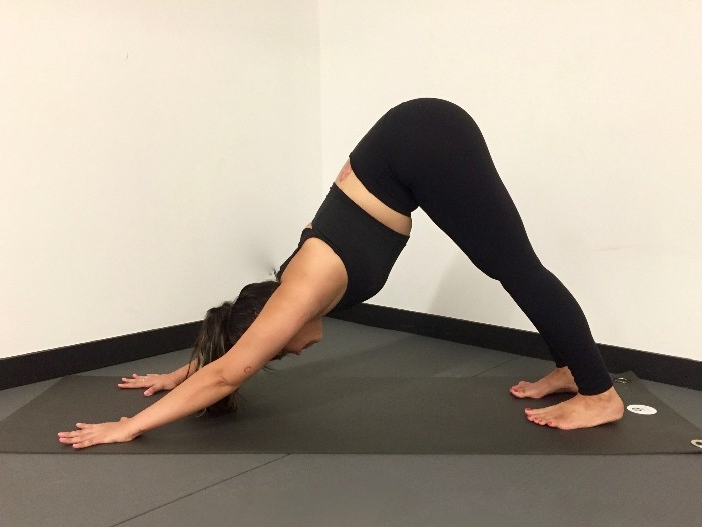
- From tabletop, walk your hands forward.
- Tuck your toes, lift your hips up and back.
- Keep knees bent if needed; focus on a long spine.
- Stay for 5 breaths.
High Plank
- From Down Dog, ripple forward into Plank.
- Shoulders over wrists, core engaged, legs strong.
- Hold for 5 breaths, then return to Down Dog.
Ragdoll
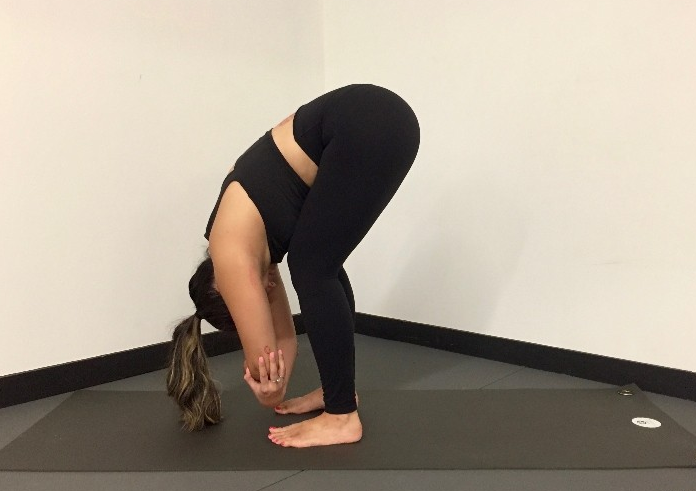
- Walk to the top of the mat.
- Let your upper body hang heavy, grabbing opposite elbows.
- Soften your knees and relax your neck and shoulders.
- Stay for 5 breaths, then slowly rise to stand.
Mountain Pose
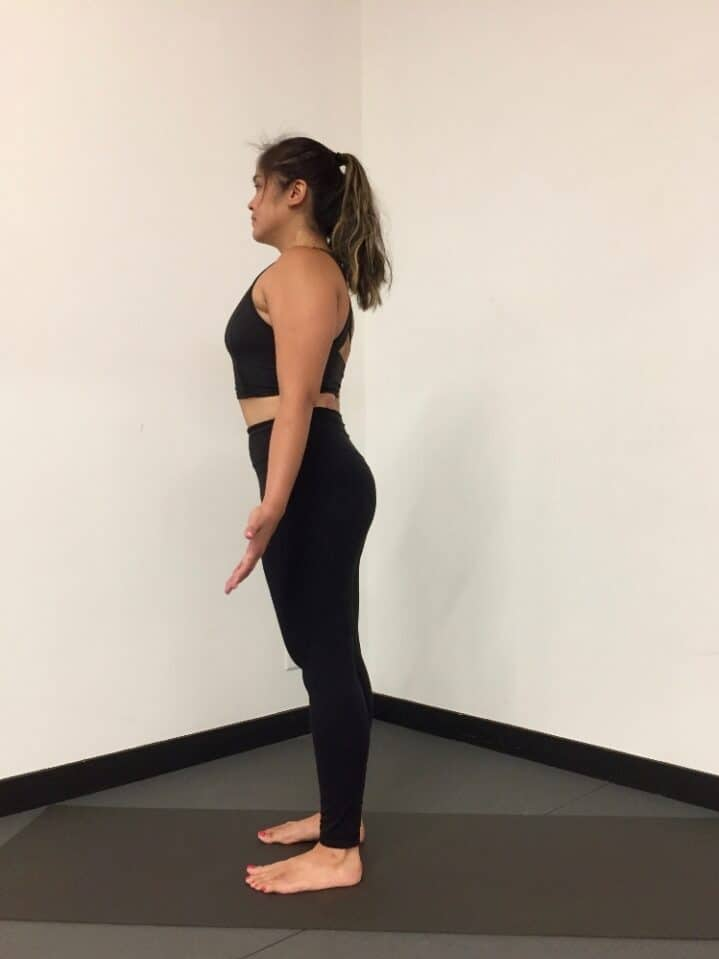
- Feet hip-width apart, arms by your sides, palms forward.
- Engage thighs, root down through feet.
- Close your eyes and breathe deeply for 5 breaths.
Modified Sun Salutation B
- Begin in Chair Pose, then fold forward.
- Halfway lift, step back to Plank, then Down Dog.
- Flow into Warrior 1 (right leg forward), then switch sides.
- Finish back at the top of the mat in Chair Pose, then return to Mountain.
- Repeat up to 3 times.
Balancing Poses (10 Minutes)
Supported Warrior 3
- From Down Dog, step right foot forward.
- Place hands on blocks or the floor.
- Lift back leg and create a “T” shape with your body.
- Engage both legs, square your hips, and hold for 5 breaths.
- Step back, repeat on left side.
Eagle Pose
- From Mountain, lift arms and cross right arm under left.
- Sit low, cross right leg over left.
- Wrap your foot around your calf if possible.
- Squeeze everything toward center and hold for 5 breaths.
- Switch sides.
Tree Pose
- Shift weight to left foot.
- Place right foot on inner thigh, calf, or ankle (not knee).
- Press foot and leg into each other.
- Hands at heart or overhead.
- Find your Drishti and hold for 5 deep breaths.
- Switch sides.
Cool Down (10 Minutes or More)
Modified Bridge
- Lie on your back, knees bent, feet hip-width apart.
- Press heels down, lift hips.
- Squeeze a block between your knees for extra control.
- Hold for a breath, then lower. Repeat 5 times.
Happy Baby
- Hug knees to chest, then grab outer feet.
- Pull knees gently toward the floor.
- Keep tailbone grounded. Rock gently side to side.
Savasana
- Lie on your back, arms relaxed, eyes closed.
- Let your whole body melt into the floor.
- Stay for at least 2 minutes.
Related Questions
How can I modify Eagle Pose?
If wrapping your leg or arms is tricky, no worries! You can rest your toes on the ground like a kickstand or just hug opposite shoulders with your arms instead.
What are some arm balancing poses?
Arm balances shift your foundation from feet to hands. Try poses like Crow, Handstand, or Eight-Limbed Pose for an extra challenge once you’re ready.
Leave a Reply