Introduction
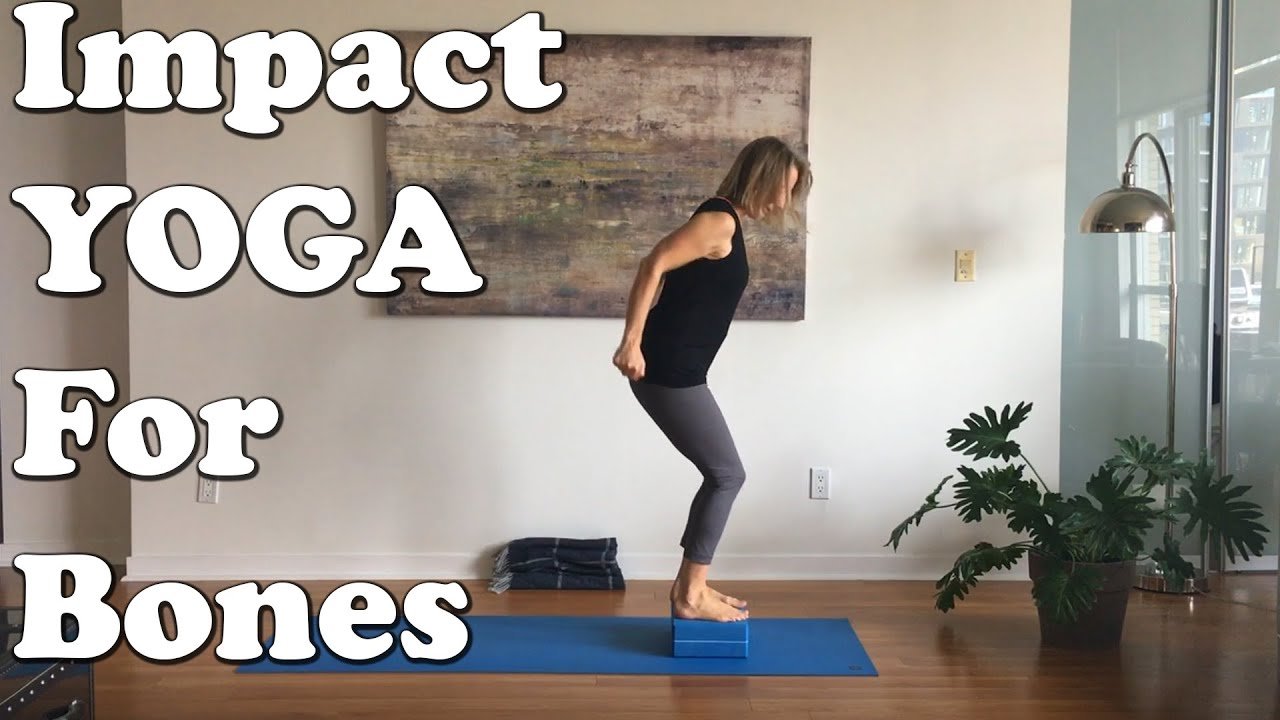
Your bones are the framework of your body. They support every movement, protect vital organs, and store minerals like calcium. Weak bones increase the risk of fractures, poor posture, and reduced independence. Today, bone health is a global concern, with osteoporosis affecting millions. The good news is yoga provides a holistic way to keep bones strong and resilient.
How Yoga Supports Strong Bones
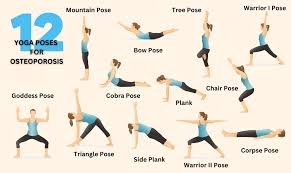
Unlike high-impact workouts, yoga strengthens bones gently. When you hold postures, your muscles pull against bones, stimulating growth and density. Balance poses prevent falls, while weight-bearing poses apply the right stress to bones. Over time, this builds strength, flexibility, and stability.
The Science of Yoga and Bone Density
Research by Dr. Loren Fishman and others shows yoga can increase bone mineral density. Yoga also improves balance, lowering fracture risk. Regular practice boosts circulation, delivering more nutrients to bones, while reducing cortisol (stress hormone), which otherwise weakens bones.
Common Causes of Weak Bones
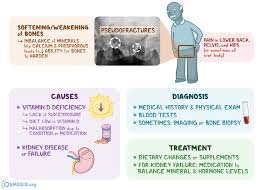
- Aging and hormonal decline
- Low calcium and vitamin D intake
- Sedentary lifestyle
- Excessive alcohol or smoking
- Family history of osteoporosis
- Long-term use of certain medications
Signs Your Bones Need Extra Care
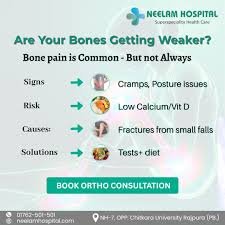
- Frequent fractures or injuries
- Shrinking height or rounded back
- Weak grip strength
- Chronic back pain
- Stiff joints and reduced mobility
Weight Bearing vs Non Weight Bearing Exercises
Yoga is a weight-bearing exercise when you hold Warrior or Plank, bones respond to gravity. Non-weight-bearing exercises like swimming are great for fitness but don’t directly strengthen bones. Combining yoga with walking or light weights gives the best results.
Benefits of Yoga for Bone Health
- Increases bone strength and density
- Enhances posture and spinal alignment
- Improves balance, preventing falls
- Builds flexibility, reducing stiffness
- Promotes relaxation and hormonal balance
Best Yoga Styles for Bone Strength
- Hatha Yoga: Gentle and safe for beginners
- Iyengar Yoga: Focuses on alignment, props aid support
- Vinyasa Flow: Builds endurance and strength
- Restorative Yoga: Aids recovery and relaxation
Safety Precautions
- Avoid deep forward bends if you have osteoporosis
- Use props to support joints
- Practice under supervision if you’re new
- Never force a pose listen to your body
Warm Up for Bone Friendly Practice
Before yoga, warm up joints and muscles with:
- Gentle shoulder rolls
- Hip circles
- Cat-Cow stretch
- Ankle rotations
- Light marching in place
Top 10 Yoga Poses for Strong Bones
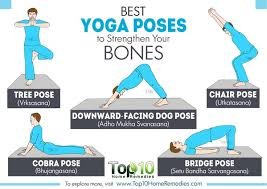
- Mountain Pose (Tadasana) – Improves posture and strengthens legs.
- Tree Pose (Vrikshasana) – Enhances balance, hip and leg strength.
- Warrior II (Virabhadrasana II) – Strengthens thighs, hips, and arms.
- Triangle Pose (Trikonasana) – Stretches spine, strengthens legs.
- Chair Pose (Utkatasana) – Builds strength in thighs and hips.
- Bridge Pose (Setu Bandhasana) – Strengthens spine and hips.
- Cobra Pose (Bhujangasana) – Supports spine flexibility.
- Locust Pose (Salabhasana) – Strengthens lower back.
- Downward Dog (Adho Mukha Svanasana) – Engages arms and spine.
- Plank Pose (Phalakasana) – Builds bone and muscle endurance.
Breathing Techniques for Bone Health
Pranayama calms stress and boosts oxygen flow. Try:
- Diaphragmatic Breathing – Deep, belly-based breathing.
- Alternate Nostril Breathing (Nadi Shodhana) – Balances hormones.
- Kapalabhati – Energizes and supports circulation.
Relaxation and Stress Reduction
Stress weakens bones via cortisol. Yoga nidra, meditation, and savasana reduce stress, creating an environment where bones can repair and strengthen.
Yoga for Osteoporosis Prevention
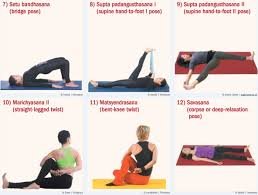
Consistent yoga slows bone loss. Gentle backbends and weight-bearing standing poses are especially protective.
Yoga for Post Menopausal Women
Hormonal changes weaken bones. Yoga builds strength, reduces hot flashes, improves mood, and enhances bone density naturally.
Yoga for Seniors Gentle Modifications
- Use chairs for balance in Tree Pose
- Shorter holds with more rest
- Avoid deep twists or forward folds
- Prioritize safety and alignment
Yoga Props for Support
Blocks, straps, bolsters, and chairs make poses safer and help beginners hold correct alignment.
How Often Should You Practice
Aim for 20–30 minutes, 4–5 times a week. Consistency is key bones adapt to steady, regular stimulation.
Combining Yoga with Nutrition
- Calcium: milk, yogurt, leafy greens
- Vitamin D: sunlight, fortified foods
- Protein: nuts, beans, fish
- Magnesium: seeds, bananas
- Hydration: water supports nutrient absorption
Foods That Complement Yoga for Bone Strength
- Almonds, sesame seeds, broccoli
- Salmon, sardines (rich in calcium & vitamin D)
- Lentils, beans, and whole grains
- Herbal teas (instead of sodas, which leach calcium)
Lifestyle Habits That Harm Bones
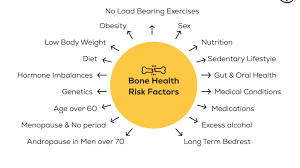
- Smoking and alcohol
- Skipping meals
- Overuse of caffeine or sodas
- Prolonged sitting
Tracking Progress
Keep a yoga + wellness journal: note energy, balance improvements, fewer aches, and flexibility gains.
Yoga vs Other Exercises
Yoga is low-impact, unlike running or jumping. It builds strength without joint damage, making it safe for all ages.
Creating a Daily Routine
Morning: Sun Salutation + Warrior poses
Afternoon: Plank or Chair Pose
Evening: Restorative yoga + meditation
Mistakes to Avoid
- Overstretching
- Skipping warm-ups
- Holding your breath
- Practicing without alignment awareness
Inspirational Stories
Many seniors report fewer fractures and improved balance after 1 year of consistent yoga. Some regained mobility and confidence they thought lost forever.
The Mind Body Connection
Your thoughts affect healing. Yoga combines mindfulness, which lowers stress hormones, with physical poses that stimulate bone growth.
Can Yoga Reverse Bone Loss
While yoga cannot fully reverse osteoporosis, studies suggest it can halt and even partially rebuild bone density when practiced consistently.
The Future of Yoga in Bone Health
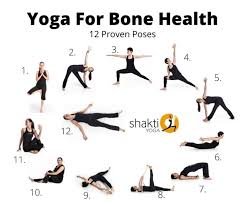
More doctors now recommend yoga alongside medication and diet for holistic bone care. Hospitals are beginning to integrate yoga into rehabilitation programs.
Expanded Sections Highlights
- Bone Remodeling: Yoga stimulates the natural breakdown and rebuilding of bones.
- Balance Poses: Prevent falls by improving stability.
- Core Strength: Supports spinal alignment and protects the back.
- Back Pain Relief: Yoga stretches and strengthens back muscles.
- Inversions: Light inversions (like Legs-Up-the-Wall) support circulation for bone recovery.
- Arm & Shoulder Poses: Plank and Dolphin Pose strengthen upper bones.
- Hip Openers: Warrior and Bridge Pose enhance hip strength.
- Restorative Yoga: Ideal for fragile bones, reduces stress.
- Morning Routine: Energizes and stimulates bones early in the day.
- Evening Routine: Gentle stretches and restorative poses calm and relax bones before rest.
- Resistance Bands with Yoga: Adds gentle load for more stimulation.
- Yoga Challenges: 30-day yoga-for-bones challenges keep you consistent.
- Yoga + Physiotherapy: Enhances recovery for bone injuries.
- Consistency: Even 15 minutes daily is more effective than irregular long sessions.
FAQ Section
Q1: Can yoga replace weightlifting for bone strength?
Yoga builds bone density, but combining it with walking or light weights is ideal.
Q2: Is yoga safe if I already have osteoporosis?
Yes, but avoid forward folds and twisting too deeply. Use props and consult a teacher.
Q3: How soon will I see results?
Most people notice improved balance and posture within 3 months; bone changes take 6–12 months.
Q4: Which pose is best for bone strength?
Warrior II and Chair Pose are excellent for building bone density in legs and hips.
Q5: Can seniors in their 70s do yoga for bones?
Absolutely, with modifications. Chair-supported yoga works wonders.
Q6: Does yoga help with joint pain as well?
Yes, yoga strengthens surrounding muscles, reducing strain on joints.
Q7: How long should I hold poses?
Start with 15–20 seconds and gradually increase to 1 minute for maximum bone benefit.
Q8: Should I practice yoga daily?
Yes, 20–30 minutes most days is ideal. Rest if you feel pain or fatigue.
Q9: Do I need props to start?
Not necessarily, but blocks and straps improve safety, especially for beginners.
Q10: Can yoga prevent fractures?
Yes, yoga reduces fall risk by improving balance and strengthens bones against stress.
Q11: Is yoga better than walking for bone health?
Both are excellent—walking supports weight-bearing, yoga adds flexibility and posture correction.
Q12: Can children benefit from yoga for bone strength?
Yes, yoga helps build healthy bones early and instills lifelong habits.
Table of Contents
Final Tips: Making Yoga a Lifelong Habit for Bone Strength
Introduction: Why Bone Health Matters
How Yoga Supports Strong Bones
The Science of Yoga and Bone Density
Common Causes of Weak Bones
Signs Your Bones Need Extra Care
Weight-Bearing vs. Non-Weight-Bearing Exercises
Benefits of Yoga for Bone Health
Best Yoga Styles for Bone Strength
Safety Precautions for Bone Health Yoga
Warm-Up for Bone-Friendly Yoga Practice
Top 10 Yoga Poses for Strong Bones
Breathing Techniques to Support Bone Health
Relaxation and Stress Reduction for Bone Strength
Yoga for Osteoporosis Prevention
Yoga for Post-Menopausal Women and Bone Care
Yoga for Seniors: Gentle Modifications
Yoga Props for Safe Bone-Friendly Practice
How Often Should You Practice for Strong Bones?
Combining Yoga with Nutrition for Bone Health
Foods That Complement Yoga for Bone Strength
Lifestyle Habits That Harm Bone Health
Tracking Progress in Your Bone-Strength Journey
Yoga vs. Other Exercises for Bone Density
Creating a Daily Bone-Strengthening Routine
Mistakes to Avoid When Doing Yoga for Bone Health
Inspirational Stories: How Yoga Changed Lives
The Mind-Body Connection and Bone Healing
Can Yoga Reverse Bone Loss? What Research Says
The Future of Yoga in Bone Health Therapies
Conclusion: Strong Bones, Strong Life
Understanding Bone Remodeling: How Bones Stay Strong
Yoga and Joint Health: Supporting the Whole Framework
Balance Poses to Prevent Falls and Fractures
Core Strengthening for Spinal Stability
Yoga for Back Pain and Spinal Alignment
The Role of Inversions in Bone Health
Shoulder and Arm Strengthening Poses for Upper Bones
Hip-Opening Poses for Stronger Pelvis and Hips
Standing Poses for Lower Body Bone Density
Restorative Yoga for Healing Fragile Bones
Meditation for Bone Healing and Stress Reduction
Yoga Nidra for Bone Recovery and Deep Rest
Morning Yoga Routine for Bone Strength
Evening Yoga Routine for Bone Relaxation
Using Resistance Bands with Yoga for Extra Bone Support
Yoga Challenges for Tracking Bone Health Progress
How Yoga Complements Physiotherapy for Bones
Yoga for Bone Injuries: Gentle Recovery Poses
The Role of Consistency in Bone Health Yoga
Final Conclusion
Yoga is one of the most accessible, holistic, and sustainable ways to keep bones strong. With consistent practice, proper nutrition, and mindful living, yoga can protect you from fractures, improve balance, and keep you active for life. Strong bones, strong life start your yoga journey today.
Leave a Reply