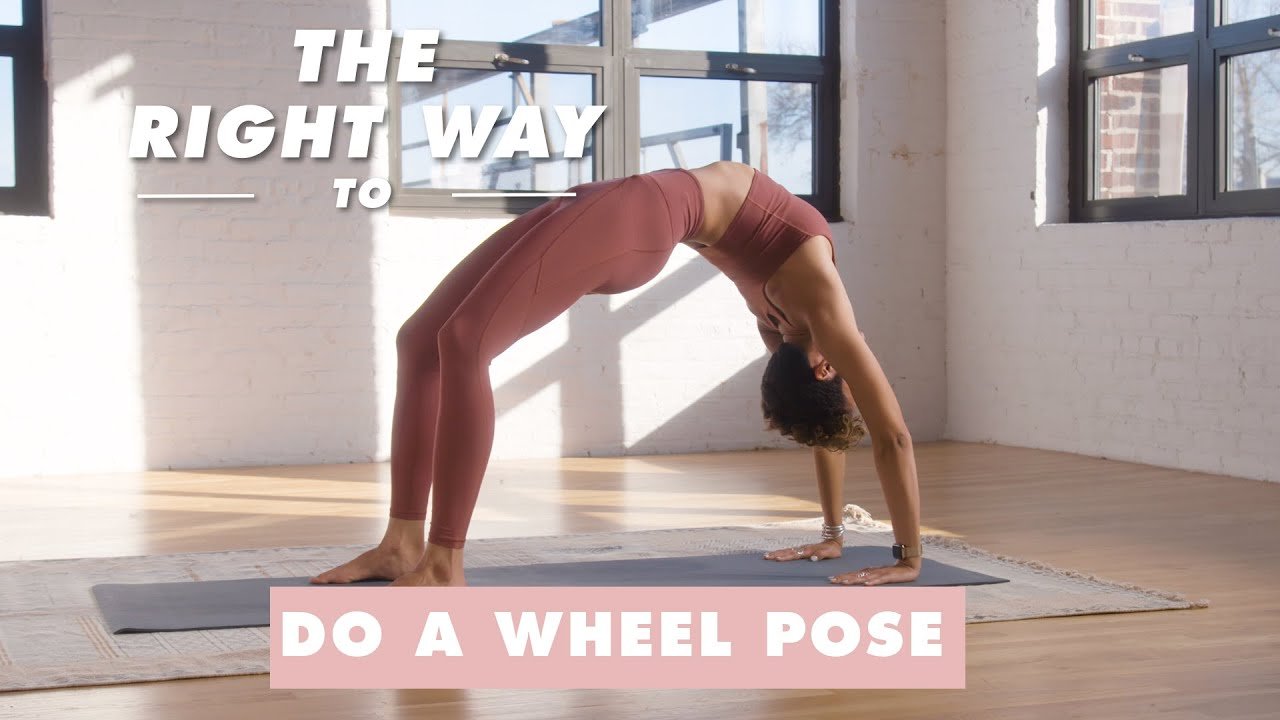
Wheel Pose—also known as Upward Facing Bow or Chakrasana in Sanskrit—is one of the more advanced backbends in yoga. The name fits perfectly since your body curves into the shape of a wheel when you do it! While it can be a tough pose for beginners, don’t let that discourage you. With regular practice, patience, and the right modifications, you’ll be able to experience its powerful benefits. Plus, it’s a strong, heart-opening, and energizing pose that can actually be a lot of fun to practice.
Why Wheel Pose is So Good for You
Wheel Pose has amazing benefits for both your body and your mind. It impacts several systems in the body and can even boost your mood. Here’s what it can do:
- Opens the chest and lungs: As a heart opener, it improves circulation and can help ease asthma symptoms by stretching and strengthening the muscles you use to breathe. With your chest lifted wide, oxygen flows more freely and breathing becomes deeper.
- Strengthens the spine: This deep stretch creates space between your vertebrae, supporting spinal health and flexibility. It may also offer relief for conditions like spinal stenosis or scoliosis.
- Boosts flexibility: Sitting all day can leave your hips feeling stiff and tight. Wheel Pose helps open up the hip flexors, offering sweet relief—especially after a long day behind a desk.
- Lifts your mood: It’s known to help reduce stress, anxiety, and even symptoms of depression. On top of that, it increases both mental and physical energy.
Warming Up Before You Try Wheel
Wheel Pose is best practiced toward the end of your yoga session, once your spine and body are fully warmed up. It needs a good amount of flexibility in your shoulders, chest, and spine, so warming up properly is key. If your upper back or chest feels tight, focus on heart-opening poses first.
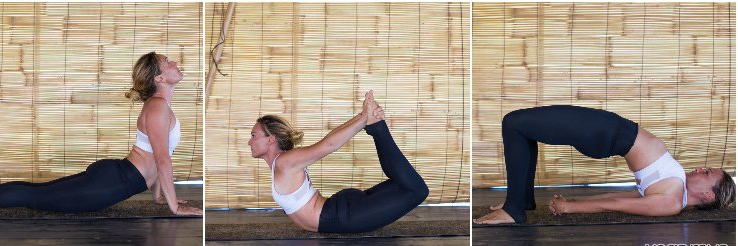
Here are some great warm-up backbends to get you ready:
1. Upward-Facing Dog
Common in Sun Salutations, this pose can also be practiced on its own.
- Start lying on your belly.
- Place your palms under your shoulders, fingers spread wide.
- Shift slightly forward and press into your hands to lift your chest and hips.
- Let the tops of your feet rest on the mat with toes pointing back.
- Roll your shoulders back and down, lifting your chest higher.
- Keep your chin slightly tucked and gaze forward.
- Hold for 5 deep breaths.
2. Bow Pose
Bow Pose is another backbend that’s a step toward Wheel, done while lying on your belly.
- Lie on your stomach and bend both knees to lift your feet.
- Reach back and grab your ankles from the outside.
- Start with knees close together and arms straight.
- On an inhale, lift your chest while kicking your feet away from you.
- Keep arms strong and legs engaged.
- Rock gently onto your belly, relax your shoulders, and gaze forward or slightly up.
- Stay here for 5 deep breaths, then lower slowly.
3. Bridge Pose
This is a popular warm-up for Wheel and great for opening the hips.
- Lie on your back with knees bent, feet flat and hip-width apart.
- Reach your arms down and make sure your fingertips can touch your heels.
- Inhale and lift your hips while pressing down through your heels.
- Interlace your fingers under your back and squeeze your shoulder blades together.
- Lift your chest and hips higher, grounding through your feet.
- Hold for 5 deep breaths.
How to Do Wheel Pose
Once you’re fully warmed up and feeling flexible, you can try moving into Wheel Pose. If you’re new to it, start by revisiting Bridge Pose until you feel steady.
Step-by-step instructions:
- Lie on your back with your feet flat on the mat, hip-width apart.
- Make sure your fingertips can just touch your heels, and point your toes forward.
- Place your palms on the floor next to your ears, fingers pointing toward your shoulders.
- Spread your fingers and plant your hands and feet firmly into the mat.
- Inhale and push through your hands and feet, lifting your hips.
- Bring the crown of your head gently to the mat to readjust your hands and feet if needed.
- Hug your elbows in and press into your hands to lift your head off the mat.
- Keep lifting through your hips and push your chest toward the back wall.
- Stay here for 5 deep breaths.
Common Mistakes in Wheel Pose
Proper alignment is super important in Wheel Pose. If you’re having trouble, try placing a block between your thighs to keep your knees from splaying out.
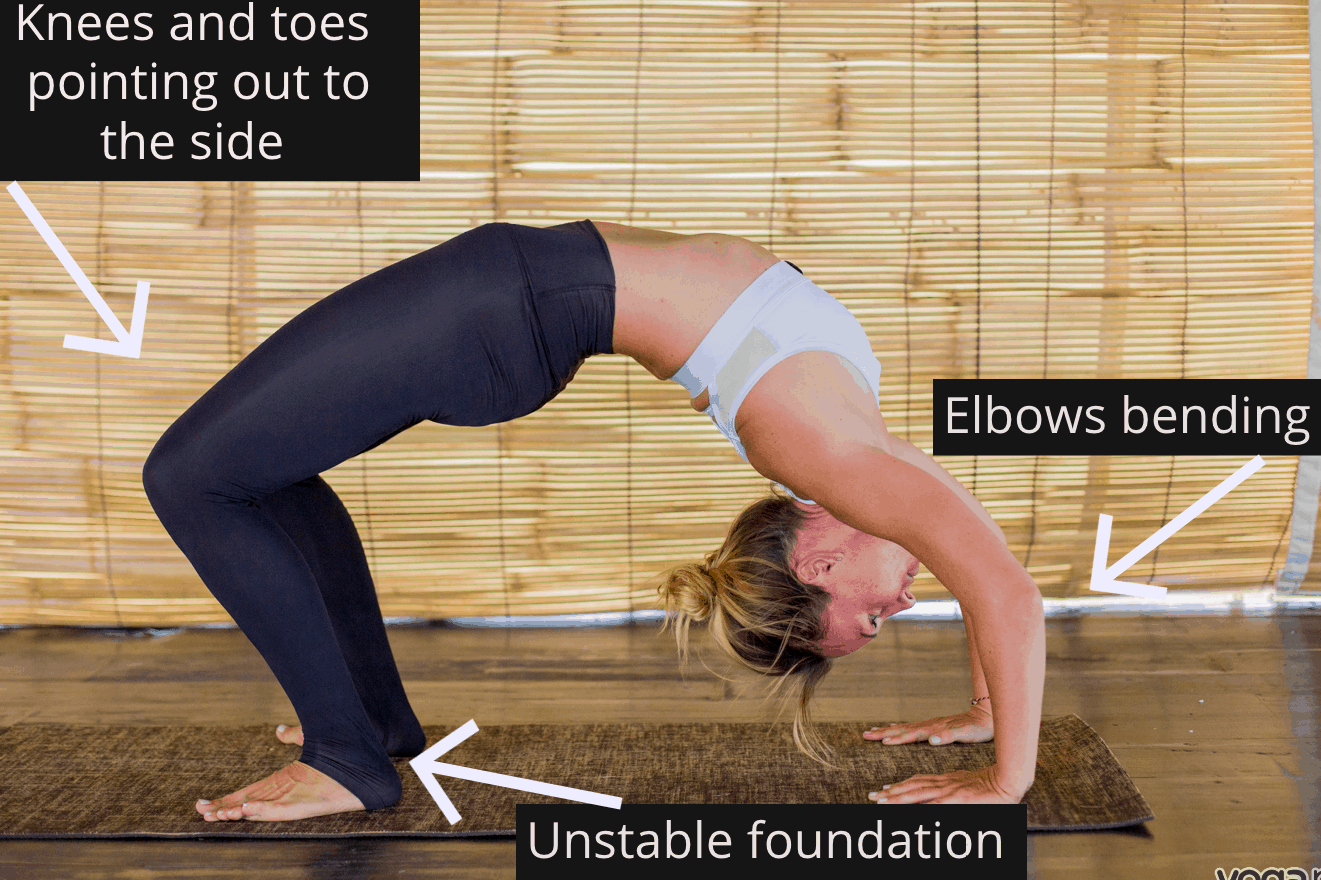
Things to watch for:
- Toes turning out instead of pointing forward
- Bent elbows
- Knees and elbows flaring to the sides
- Wobbly or weak hand and foot placement
Modifying the Pose
If the full expression of Wheel feels out of reach, don’t worry! You can still work toward it using props and simpler versions.
- Head on the mat: Not ready to lift up yet? Keep your head on the ground and focus on alignment—elbows and knees hugging in, fingers spread wide.
- Strap around the arms: If your elbows tend to splay outward, use a strap to keep your arms aligned. Make a loop and adjust it before lifting up.
- Blocks under your hands: For extra lift, place blocks under your hands. Start with your head on the mat, and focus on building good alignment.
Tips for Beginners
- Listen to your body: If you feel sharp pain or discomfort, don’t force it. Try a supported version instead.
- Work on flexibility: Deep backbends take time. Keep practicing heart and hip openers regularly to build flexibility.
- Try supported Wheel first: Using props like a bolster or block under your back can help you ease into the posture.
Fun Variations to Explore
If you’re feeling confident in your Wheel Pose, try adding some variety:
- One-Legged Wheel: From Wheel, shift your weight to one leg. Pull the other knee toward your chest and then extend the leg up. Hold for a few breaths, then switch sides.
- Wheel on Elbows and Head: From full Wheel, gently bring the crown of your head back down. Lower your forearms to the mat and clasp your hands behind your head for a different kind of heart opener.
When to Avoid Wheel Pose
While Wheel Pose is powerful, it’s not for everyone. Avoid or take extra care if you have:
- Heart conditions
- Carpal tunnel syndrome
- High or low blood pressure
- Recent or recurring back injuries
- Diarrhea
- Headaches
- Shoulder issues
If you’re unsure, check with a yoga teacher and try gentler backbends instead.
Final Thoughts
Wheel Pose is definitely a challenging posture—but also incredibly rewarding. With consistent practice, patience, and the right modifications, your body will open up over time. It’s a beautiful, heart-opening pose that leaves you feeling strong, energized, and empowered.
Leave a Reply