That Post-Savasana Glow: The Yoga High
You remember that feeling immediately after your last savasana—the bit where you slowly open your eyes, roll off your mat slowly, and come up to sitting? There’s something about it that just feels different. You feel lighter, more alive, more expansive, and intensely connected to your breath and body. It’s amazing. So, what lies behind that good-feeling yoga magic which so many individuals—millions, in fact—describe as the “yoga high”?
Well, yoga just has that knack of calming you down, making you feel more relaxed, and completely connected with your body and mind. It increases those feel-good hormones, makes you more confident, and makes you more self-aware and present. That combination? It makes you feel happier, more expansive, and more energized from the inside out.
The Best Part? That Feeling Sticks With You
Here’s the totally awesome part: that good feeling doesn’t fade the moment you roll off your mat. The more you practice, the more it appears in everyday life—not only in savasana. You may find you don’t get as flustered by things that used to get to you before. Or perhaps you just feel more grounded and connected overall. Yoga has physical as well as emotional advantages, which is a primary reason that yogis continue returning for more.
Why Does Yoga Feel So Good?
When you land on the mat, you’re doing a whole lot more than stretching and building muscle. Of course, many begin yoga for the physical benefits—increased flexibility, sculpted muscles, improved stamina—but it rarely ends there. Before long, those mental, emotional, and even spiritual benefits begin to take root—and that’s what gets people addicted.
As you practice, you’re listening to your breath and your body. That calmness and awareness assist you in letting go of blocked emotions and turning inward. It’s an opportunity to quiet your mind and connect with your inner self. By the time you reach pigeon pose at the end of class, you may find you can let go and relax more easily. And when you finally roll off your mat? You feel lighter, more open, more alive—just more you.
And let’s be real, who doesn’t love that sensation? That feeling of weightlessness, peace, and unity is like nothing else. We all have our own special bond with yoga, and that bond changes as your practice becomes more profound. Whatever stage you are at in your journey, though, yoga teaches you to know yourself better, accept yourself more, and discover joy that is deep within.
What’s Behind That “Yoga High”?
So what actually happens in your body and brain that makes you feel so great after yoga? Is it one particular pose? The breathing? Or simply how your body reacts in general? As it turns out, it’s a combination of a whole lot of things. Consistent yoga practice provides many advantages that can have you leaving class feeling like you can conquer the world.
Here’s how yoga magic happens:
- Reduces Cortisol (Your Stress Chemical): When you’re stressed, cortisol increases. Yoga brings them down, leaving you feeling more chill and in balance.
- Increases Endorphins: That feel-good feeling after yoga? Thank your endorphins. Like with other exercises, yoga gets the feel-good chemicals pumping, brightening your mood and reducing stress.
- Develops Physical Strength: Got it right for the first time with crow pose or sustained your chaturanga slightly longer? Feeling strong in your body can really turn up the confidence—and that carries over into everyday life off the mat.
- Reconnects You: With all the craziness of daily life—work, relationships, obligations—it’s easy to feel disconnected from yourself. Yoga provides space to return to your body, your breath, and your heart.
- Tells You How to Breathe: Slowing your breath and practicing pranayama releases tension and quiets your nervous system. That focused breathing isn’t just pleasant—actually changes your body’s state to one of relaxation.
Why Yoga Makes You Feel So Calm
If you’re new to yoga, breathing might actually be the toughest part. Holding poses while trying to take deep, steady breaths isn’t always easy—especially when your body wants to go into “fight or flight” mode. That response causes your breath to become quick and shallow.
But in yoga, you’re taught to do the reverse: breathe slowly and deeply, normally through your nose. This engages the parasympathetic nervous system (i.e., your rest-and-digest state), causing your body and mind to chill and remain present rather than responding with stress.
Yoga = Mindfulness in Motion
Like meditation, yoga is a matter of mindfulness—staying present in the moment. It helps you learn to respond rather than react, even under difficult circumstances. Suppose you’re in a difficult pose. Rather than getting angry or letting your mind run wild, yoga invites you to breathe through it, allow whatever arises to come to the surface, and remain calm.
As you continue, this type of present awareness begins to manifest in your life off the mat as well. You’re in a high-stress moment at work, and rather than freak out, you breathe deeply and anchor yourself. Yoga prepares you to remain stable even when the world around you isn’t.
What Kind of Yoga Should I Practice to Feel My Best?
There are just so many various styles, schools, and instructors out there—and the beauty is, they all assist you in creating that mind-body connection and sense of presence. If you’re a beginner, experiment with a few different kinds to find what works for you. Some individuals love a hot, high-energy class, while others like a slower, restorative practice.
It’s actually really beneficial to switch things up. If your go-to is power yoga or vinyasa flow, incorporate a yin or restorative class every so often. You may find that the mix keeps you feeling charged, rooted, and revitalized. You may even dabble in breathwork (pranayama) or meditation along the way.
Need a Pick-Me-Up? Try These Energizing Yoga Poses
Hitting a slump? Need a pick-me-up? These postures are perfect for charging your battery—ideal for a lunchtime pick-me-up or to get your morning started on the right foot. Just remember to warm up with some Cat/Cow stretches or Sun Salutations beforehand.
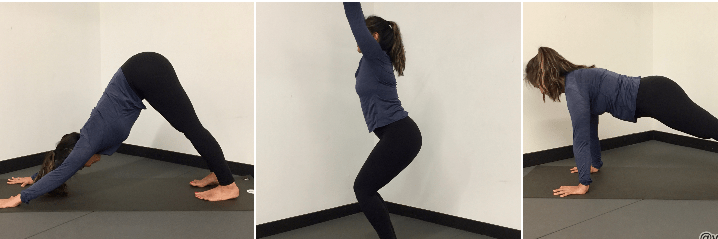
- Downward Facing Dog: This pose engages your entire body. Because your head is lower than your heart, it increases circulation and helps energize you from crown to toe.
- Chair Pose (Utkatasana): This one engages your thighs, glutes, and core, and opens your heart and lengthens your spine. It’s tough, powerful, and liberating.
- Plank Pose: Feeling in the mood to kick your core into gear and get your sweat on. Holding plank for several breaths gets the blood pumping and leaves you feeling alive and strong.
- High Lunge: This standing position develops strength and concentration. You’ll sense your heart rise and your legs activate as you maintain it with awareness.
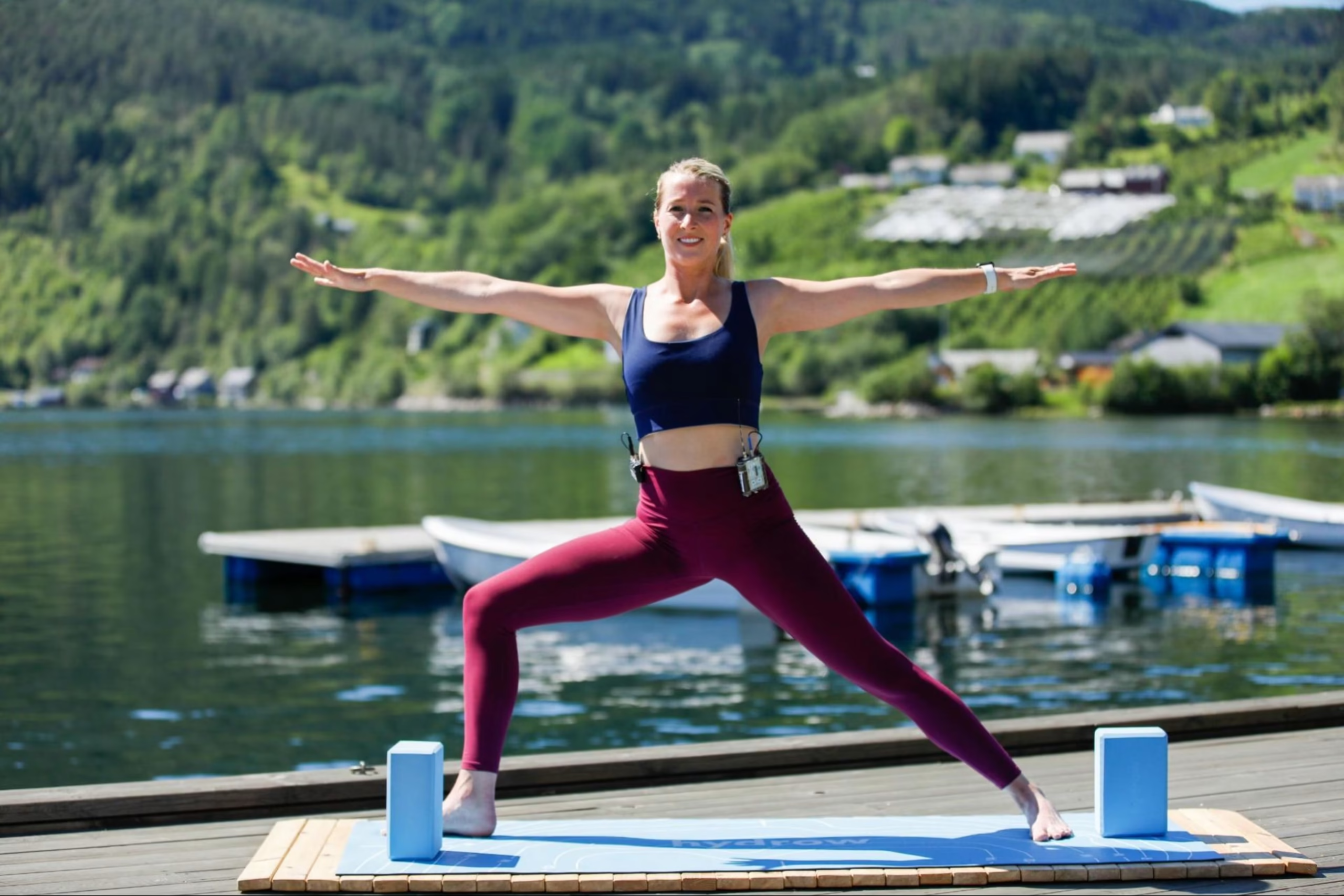
- Warrior II: Sense grounded and strong in this traditional pose. It builds up your legs and arms and allows you to connect with a feeling of inner power.
- Camel Pose: Backbends such as camel open the chest and heart, releasing blocked energy and leaving you feeling revitalized and renewed.
Leave a Reply