If meditation has always felt a little too mystical, or you’ve struggled to keep your focus, you’re not alone. While we’ve all heard about the benefits of meditation, actually sitting down and doing it—without your mind wandering every few seconds—can be seriously frustrating.
Most meditation styles ask for strict concentration, disciplined breathing, or shutting down your thoughts altogether. Transcendental Meditation (TM), on the other hand, flips that script. It’s simple, easy, and surprisingly effective.
Let’s break down how you can get started with TM and what science says about why it works so well.
What Is Transcendental Meditation?
Transcendental Meditation is a type of mantra-based meditation that’s all about ease and relaxation. You don’t need to empty your mind, hold your breath, or join a spiritual group to do it. It comes from the ancient Vedic traditions of India and has been practiced for thousands of years.
Here’s the gist: you sit down, close your eyes, and silently repeat a mantra for 20 minutes, twice a day. That’s it.
TM was brought to the West by Maharishi Mahesh Yogi back in the 1960s—around the same time yoga was catching fire in the U.S. Since then, everyone from The Beatles to Oprah and Russell Brand have praised its positive effects.
Why TM Is Different From Other Meditation Styles
Unlike techniques that rely on focusing your breath or visualizing peaceful scenes, TM uses a mantra—a simple word or sound you repeat silently in your mind. You’re not trying to stop your thoughts or force yourself into stillness. Instead, the mantra helps you naturally settle into a quieter state of awareness.
You don’t need to do anything fancy. You’re not chanting out loud, visualizing white lights, or trying to float off into another dimension. It’s incredibly straightforward—and that’s what makes it powerful.
What’s a TM Mantra?
A mantra is just a word or phrase you repeat silently during meditation. It doesn’t need to be religious or spiritual (though many TM mantras are derived from ancient Sanskrit or Vedic texts).
In an official TM course, a certified teacher gives you a specific mantra based on centuries-old traditions. You’re usually encouraged to keep this mantra personal and private.
But outside of the course, you can pick a mantra that feels right to you—something simple like “peace,” “calm,” or “I am joyful.” The idea is to find a word that helps you let go of your usual thoughts and drift into a deeper, more peaceful space.
Science-Backed Benefits of Transcendental Meditation

Unlike many wellness trends that rely on anecdotal evidence, TM has over 600 peer-reviewed studies to support its benefits. It’s been tested through rigorous clinical trials and shown to work for people from all walks of life—no religion or spiritual background required.
Here’s a snapshot of what TM can do for you:
- Lower stress and anxiety
- Improve sleep
- Reduce symptoms of depression
- Boost creativity and focus
- Lower blood pressure and cholesterol
- Improve heart health
- Help manage ADHD symptoms
- Enhance brain function and even intelligence
And no, it’s not too good to be true. These benefits have been well documented without the need for prescriptions, supplements, or gimmicky apps. Just you, a quiet space, and a mantra.
How to Start Practicing TM: Step-by-Step

Even though TM is taught through official courses, the basic approach is so simple you can start practicing on your own right now.
1. Pick a Mantra
Whether you’re assigned a traditional mantra through a TM course or choose your own word, the key is finding something that feels soothing and distraction-free.
Some people use ancient Sanskrit sounds, while others prefer English words like “love” or “abundance.” There’s no wrong choice here—just something that resonates with you.
2. Find a Quiet Spot

You don’t need a full-on meditation room—just a quiet, comfy space where you won’t be interrupted. Sit in a chair or on a cushion, keep your spine relaxed but upright, and let your hands rest in your lap.
If you’d like, light a candle or use incense to set the mood, but that’s totally optional.
3. Set a Timer for 20 Minutes
TM is usually done for exactly 20 minutes. If you’re new, that might feel like a stretch—but once you get into it, the time flies. A soft timer or singing bowl sound can gently bring you out of your session without a jarring alarm.
4. Start Your Practice
- Close your eyes and take a few deep breaths.
- Then let your breath return to normal and begin silently repeating your mantra in your mind.
- Don’t speak or move your lips—just mentally repeat it in a relaxed way.
If your mind wanders (and it will), don’t worry. Gently return your attention to the mantra and keep going.
5. Finish Gently
When the timer goes off, slowly open your eyes. You might sit for a moment, smile, stretch, or just enjoy the calm you’ve created. No need to jump up or rush back into your day.
Practice TM Twice a Day
To get the full benefit, TM is ideally done twice daily—once in the morning and once in the afternoon or early evening. You don’t need to force any deep states or “perfect” sessions. Just show up, sit down, and repeat the mantra.
Every session may feel different, and that’s totally normal. Some days you’ll feel blissful and inspired. Other days might be dull or full of thoughts. The point is not to judge—just keep going.
The Role of Diet in Meditation
Believe it or not, what you eat can affect how deeply you meditate. Lighter foods like fruits, veggies, whole grains, and nuts can support mental clarity and focus.
On the flip side, heavy or processed meals might leave you feeling sluggish, making it harder to concentrate or go deep during meditation.
Eating a brain-friendly diet filled with antioxidants and healthy fats (like omega-3s from nuts and seeds) can help sharpen your mind and make your meditation sessions more rewarding.
Should You Take a TM Course?
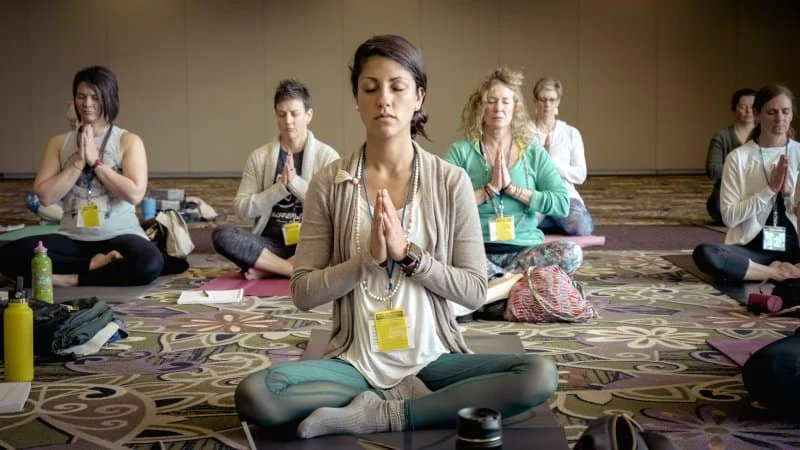
You can absolutely teach yourself TM and see great results. But enrolling in a TM course can help you:
- Get personalized guidance
- Learn from experienced teachers
- Receive your own mantra
- Meditate in a supportive group environment
Courses are offered by the Maharishi Foundation USA, a non-profit that uses the funds to support veterans, at-risk youth, and others in need. Fees are based on income, and the process includes:
- Attending a free intro talk
- Booking a personal one-on-one session (where you receive your mantra)
- Participating in three group sessions to lock in the habit
And don’t worry—despite what some people assume, it’s not a cult or pyramid scheme. There’s no spiritual membership, no religion, and no hidden agendas—just a structured way to learn a centuries-old practice.
Final Thoughts
Whether you learn TM through a course or just start on your own, this practice offers a grounded, calming way to reconnect with yourself. With just 20 minutes twice a day, you can enjoy a sense of stillness that feels restorative and real.
There’s no “perfect” way to do it. If you show up, breathe, and repeat the mantra, you’re already doing it right. That’s the beauty of Transcendental Meditation—it meets you where you are and gently guides you to where you want to be.
Leave a Reply