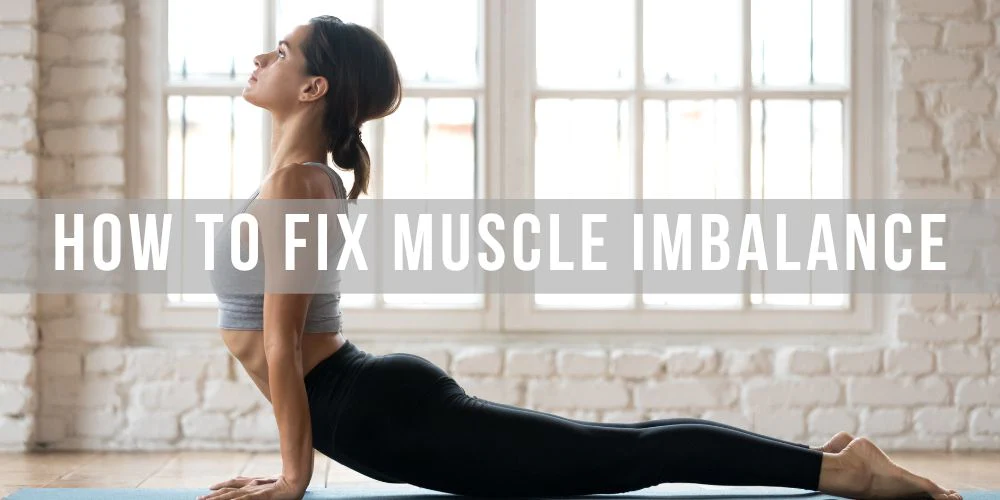
Did you ever get this feeling that when you sit at your desk, there is one side of your body that is more tired than the other? Or perhaps when you do yoga, you can feel that your right side is so much stronger than your left? Regardless of how fit you are, regardless of your body type, most of us tend to have some level of muscle imbalance. Perhaps one half of your body is inherently stronger, or one half is more flexible than the other.
So how do we fix this? Does yoga really correct muscle imbalances?
The answer is yes—yoga can be a highly effective means of re-balancing the body. With consistent practice of various yoga poses, you’ll begin to develop strength, flexibility, and greater balance between both sides of your body.
Is It Normal to Have Muscle Imbalances?
If you’ve ever felt like one side of your body is tight and overworked while the other side feels weaker or tired, you’re not alone. Our muscles are responsible for movement, and when one area is used more than the other, the opposite side might not be as active—leading to imbalance.
They feel these types of imbalances all the time. Nevertheless, it is necessary to work on balancing things out. Muscle imbalance may cause you discomfort, fatigue, and even injuries if not addressed. The more you know your body and what it feels like, the better you will be able to recognize and work on these imbalances.
Common Causes of Muscle Imbalance
There are all sorts of reasons why muscle imbalances occur—some result from overuse, while others are the byproduct of daily habits. Even if ideal balance is impossible to perfect, just being aware can prevent injuries and lead you to more ideal posture and movement patterns.
Everyday Habits That Cause Imbalance:
- Keeping your phone in one hand: We are all stuck to our phones throughout the day. If you always hold your phone in the same hand, after a while, you may experience stiffness or tiredness in your neck or shoulder on that side.
- Your sleeping position: Do you always sleep on your belly or right side? Sitting in one spot for so many hours makes you develop imbalances. Try mixing it up—roll over to the opposite direction or pillow up on your other shoulder to balance things out.
- Wearing a bag on one shoulder without fail: If you’re in the habit of throwing your bag over the same shoulder, it’s likely that one shoulder is higher than the other. Experiment with switching sides to balance things out.
- Using your dominant side: In writing, at the computer, up and down the stairs, or in the gym, most of us rely on our dominant side. Begin to notice and experiment with going with your weaker side every now and then.
- Bad posture: Slouching or rounding your back is something that can cause muscle imbalances as well. Stand or sit so that your spine is long, your chest is open, and your shoulders are relaxed. It does take time to retrain your body, but it makes a huge difference.
- Standing crookedly: Do you lean to one side or lock one knee when standing? That lopsided weight-bearing can create problems. Experiment with standing with a little bend at both knees and your weight evenly on both feet.
- Sitting or driving for long periods: When driving, one side is often more engaged than the other. And sitting for hours can tighten your hip flexors and lead to back pain. Make sure to sit with good posture and take movement breaks during the day.
Can Yoga Help With Muscle Imbalance?
Exactly! Yoga is a fantastic means of introducing balance into your body. As you begin to realize where your imbalances are, your practice can specifically target those areas—toning the weaker muscles and loosening the tighter ones.
As you transition from one pose to the next in good alignment, you can identify which muscles are engaging more than others. You will also be aware where it is weak or dormant and can start developing strength and flexibility where you need it most.
Using Yoga to Correct Imbalances
As you get into a regular yoga practice, your body awareness will increase. You’ll begin to notice where you’re compensating, where you’re tight, and where you’re weak. That’s where awareness comes in.
It’s also necessary to remain conscious in your practice. When you find that you’re relying more on one wrist or leg in a pose, pause to restore your alignment. Work on improving the weaker side and attempt to generate equal effort throughout your body. With time, you’ll develop strength and flexibility in a balanced manner.
Best Yoga Poses for Building Balance
Yoga allows you to attune to your body’s internal signals, and certain poses can actually make those imbalances stand out. For example, if you’re having trouble sustaining a side plank on your left, that could be an indication that your right side is taking over in daily movements.
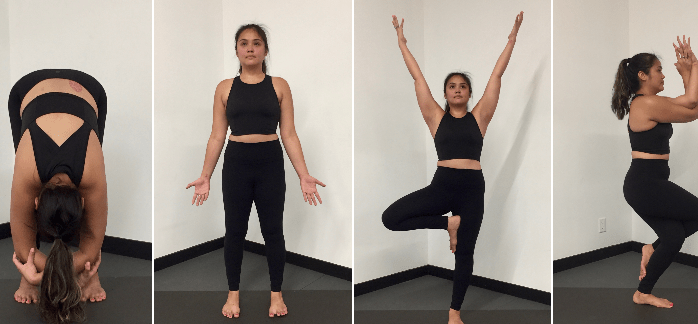
Useful Yoga Poses:
- Ragdoll Pose:
This front fold is excellent for paying attention to where you hold tension. Stand with feet strongly rooted and allow upper body to release. Do you have a tendency to lean to one side? Is there one hip that’s more tightly held? Attempt grounding evenly through both heels and softening both hips and shoulders. - Mountain Pose:
Similar to Ragdoll, standing in this pose causes you to be aware of any tilting or unevenness. Maintain your spine long, core activated, and shoulders relaxed. Check if one side of your body is heavier or lifted. - Tree Pose:
This balancing pose will show you which side is the stronger one. As you stand on one leg, lift through the kneecap and use your thigh. Are your hips even? Try to square them and stay neutral. - Eagle Pose:
Eagle requires balance, flexibility, and coordination. It works your joints and can visibly indicate to you where you’re tighter or weaker. If the full pose is challenging, work into it slowly and be patient while your body develops strength and balance.
Frequently Asked Questions
How does muscle imbalance cause injury?
When you use one side of the body more than the other, you place additional stress on your muscles and joints. This is what causes overuse injuries, pain, and fatigue. This is why it’s so crucial to catch imbalances early.
Why am I always falling out of balancing poses in yoga?
Balance requires concentration! Experiment with holding your gaze steady on one point in front of you—this is referred to as your drishti. Also, contract your muscles, concentrate your breathing, and maintain awareness in the present moment.
How is a simple way to adjust Tree Pose?
If raising your foot up to your thigh or calf is challenging, set it at your ankle instead, with your toes on the ground as though it’s a kickstand. This provides more support while you develop hip flexibility and leg strength.
Leave a Reply