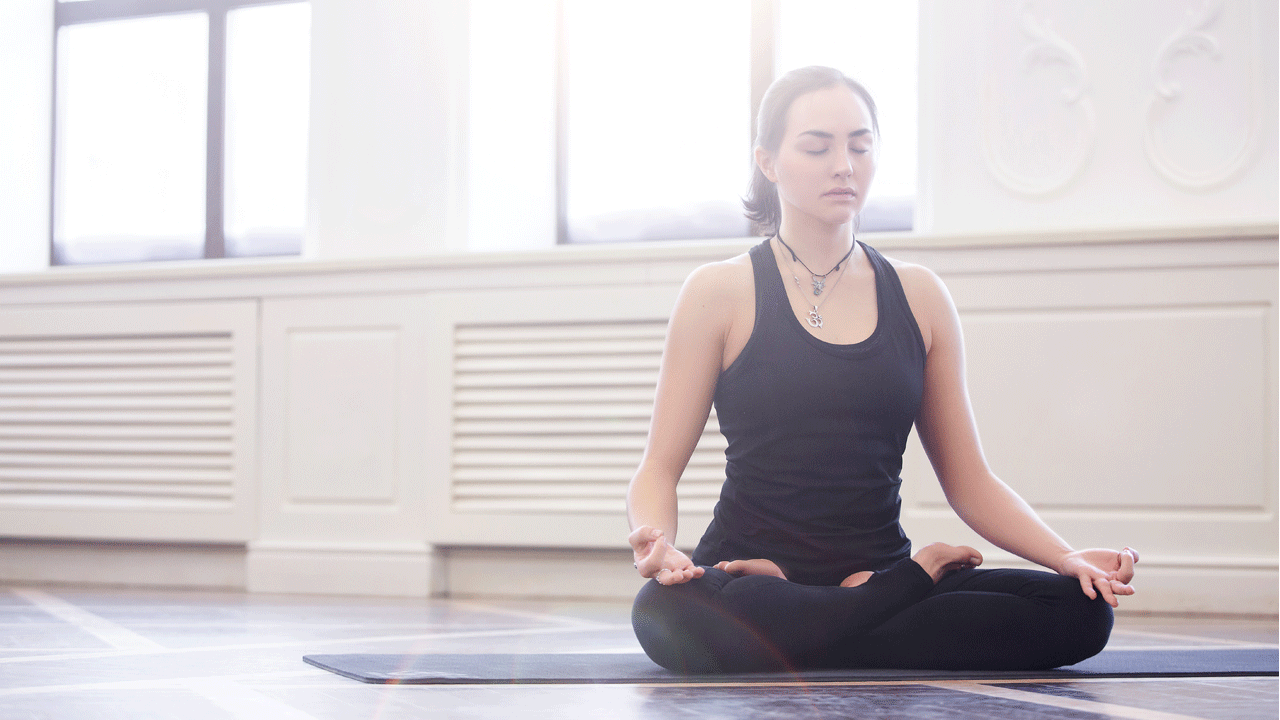
You’ve probably heard people in health and wellness circles talk about how great meditation is, right? Mindfulness and meditation have really taken off in the West, and more and more people are giving it a try. Maybe you’re thinking about making it part of your daily routine too.
Just like working out, meditation is something you get the most out of when you do it regularly throughout the week. If you’re wondering when the best time is to meditate—especially in relation to your workout—the good news is, it’s totally up to you. There’s no “right” or “wrong” time.
You might find that your mind feels clearer first thing in the morning, before you hit the gym. Or, you might prefer the calm that comes after a good yoga class or workout. Either way, before or after exercise, meditation works.
So… What Is Meditation, Really?
You might be wondering if meditation just means sitting still with your eyes closed and thinking about nothing. Not quite!
Meditation is actually a powerful and transformative practice. It’s about turning your attention inward and focusing on one thing—like your breath or a certain feeling. This kind of focus helps calm your mind, boost clarity, and make you feel more centered and less reactive to what’s going on around you.
You can meditate pretty much any time—before bed, on a work break, or whenever you feel like you need a reset. The best part? You don’t need anything fancy to do it. Just a few minutes and a quiet space.
The Benefits of Meditation
It’s no surprise that so many people are getting into meditation—it comes with a ton of benefits for both your mind and body. Kind of like yoga, it’s a practice that really pays off.
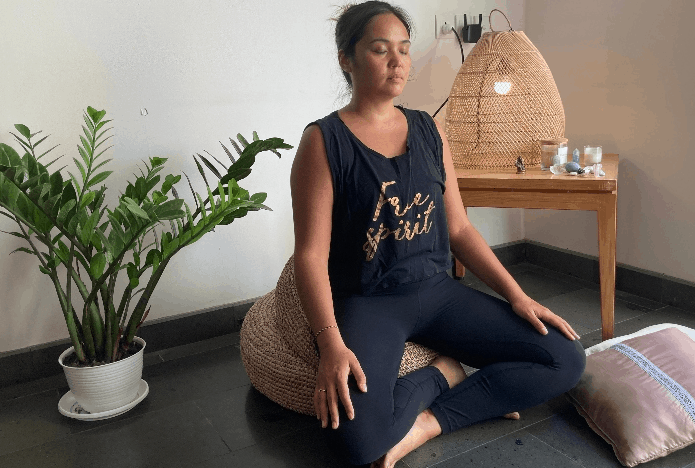
Here’s what meditation can do for you:
- Better focus and attention: People who meditate regularly are often able to concentrate for longer. Since meditation involves focusing on one thing, this benefit makes total sense.
- Less stress and anxiety: Meditation helps lower cortisol (your body’s stress hormone), making it easier to stay calm even in tough situations. Focusing on the present moment can help you feel less anxious and overwhelmed.
- More self-awareness: Meditation encourages you to observe your thoughts and feelings without getting caught up in them. Over time, this builds self-awareness and helps you pause before reacting.
- More kindness and compassion: Practices like Loving Kindness (also called Metta) meditation help you connect with feelings of love—for yourself and others. And what you practice during meditation can spill over into your daily life in beautiful ways.
Types of Meditation to Explore
There’s no one-size-fits-all when it comes to meditation. Whether you want to slow down, feel more love, or just be more present, there’s a style that will suit you.
Some popular types include:
- Mindfulness Meditation: Focus on the present, often using your breath as an anchor. It helps you become aware of your thoughts and emotions without judgment.
- Loving Kindness (Metta): This practice is all about cultivating love and gratitude—for yourself, the people around you, and even the whole world.
- Mantra Meditation: In this practice, you repeat a word or phrase (often in Sanskrit) in your mind or out loud. The repetition helps you focus and connect with a deeper feeling or intention.
How to Get Started with Meditation
There are so many ways to meditate—you can take a class, use an app, or guide yourself. If you’re new, it’s a good idea to try a few different styles and see what feels right for you.
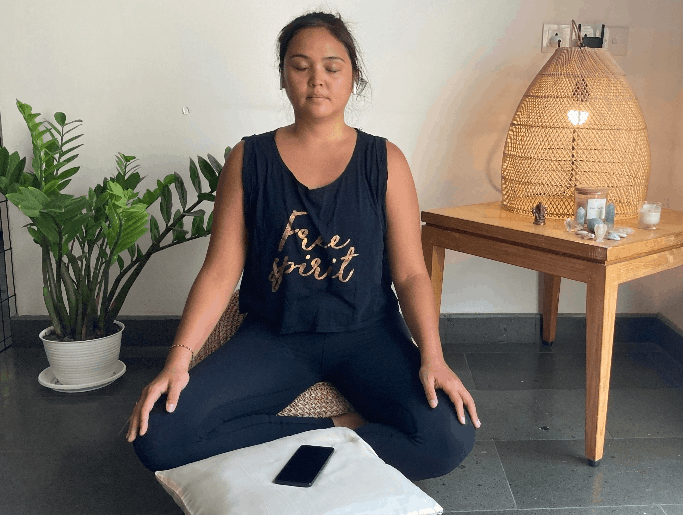
Apps are super helpful because they make meditation easy to access anytime. Even just a few minutes a day can help you get into the habit.
You can meditate:
- At home: Try an app, video, or audio guide.
- At a studio: Many yoga studios offer meditation classes, and meditation-only studios are popping up in bigger cities too.
- At work: Take a quiet moment at your desk or during a break. Just close your eyes, focus on your breath, and tune into the present.
What You’ll Need
Honestly, all you need is yourself, a little time, and a calm space. If you’re pairing meditation with a workout, just adjust your setup based on where you are that day.
Working out at home? Create a cozy meditation corner. You can sit on a cushion or chair, maybe light a candle or incense, and use an app or video for guidance. Or, if silence is more your style, simply focus on your breath. Start with just 1–2 minutes and gradually increase.
Going to the gym or a studio? Try meditating before or after your workout. Some studios, especially yoga spaces, are quiet and peaceful—perfect for a quick meditation. If the gym is too loud or busy, even a few mindful moments in your car can work.
When’s the Best Time to Meditate?
The best time is really whenever it feels right for you. Some people like having a consistent time each day, while others prefer to go with the flow. Either way, consistency matters. A few minutes a few times a week is way better than one super long session once in a while.
You might enjoy meditating:
- First thing in the morning: Start your day with a calm, clear mindset. A short meditation can help you feel more grounded and ready to take on the day.
- On your lunch break: A midday meditation can recharge your energy and give you a mental break from work.
- In the middle of your day: Even at your desk, just a minute or two of mindful breathing can help you refocus.
- At night: Unwind before bed with a meditation to reflect on your day and relax your mind and body.
You can also experiment with meditating before or after you exercise. Doing it before might help you stay more focused during your workout. Afterward, it can help you wind down and go deeper into a relaxed state. Just go with whatever feels best for you—it’s your practice!
Common Questions About Meditation
How long does it take to notice results?
That depends on how often and how consistently you practice. Some people notice changes after a week or two, while for others it might take longer. Stick with it—you’ll feel the benefits over time.
Can I meditate every day?
Definitely! Unlike physical exercise, meditation doesn’t require rest days. You can meditate daily—or even multiple times a day if you’d like.
Is it hard to meditate?
At first, it might feel a little challenging to slow down and turn inward—especially in our busy world. But with practice and patience, it gets easier and more enjoyable.
Meditation is a simple, powerful tool that anyone can practice. Whether it’s part of your fitness routine or a daily moment of calm, it’s all about what feels good for you. Try it out, stay consistent, and enjoy the journey.
Leave a Reply