
If you’ve been experiencing numbness, tingling, pain, or even weakness in your wrists and hands, it’s possible that you’re suffering from Carpal Tunnel Syndrome. This condition arises when your median nerve becomes compressed, resulting in pain or abnormal sensations in your fingers and hands.
Seeking an answer to soothe the pain and feel more comfortable in your body? Yoga has been a sought-after and useful practice for individuals with Carpal Tunnel Syndrome. Although yoga may not be a total fix, performing certain poses on a regular basis can certainly alleviate symptoms and decrease pain in the long term.
If you’ve been told you have Carpal Tunnel Syndrome, your physician most likely recommended some forearm, wrist, and hand stretches. A lot of yoga poses are similar to those same stretches but incorporate breathing, awareness, and body movement. It is very easy to incorporate yoga into your regimen, whether you’re attending class or practicing at home. It’s all about space, strength, and flexibility in your wrists, hands, and fingers.
Starting a Yoga Practice for Carpal Tunnel Syndrome
Yoga isn’t just good for your wrists and hands—it can benefit your whole body and help calm your mind, too. That said, if you’re new to yoga (or even if you’re experienced), it’s important to be careful. Some poses might need to be modified or skipped entirely to avoid putting too much pressure on your wrists.
Things to Remember Before You Start:
- Speak with your physician first to ensure that yoga is okay with you.
- Select poses that stretch, open, and strengthen your upper body lightly.
- Modify or avoid poses that bear heavily on your wrists.
- Listen to your body always—if a pose doesn’t feel quite right, modify it.
Top Yoga Poses to Help With Carpal Tunnel Syndrome
Yoga helps keep your joints and body moving smoothly. If you’ve got Carpal Tunnel Syndrome, here are a few go-to poses that may help ease the symptoms:
Cat-Cow Pose
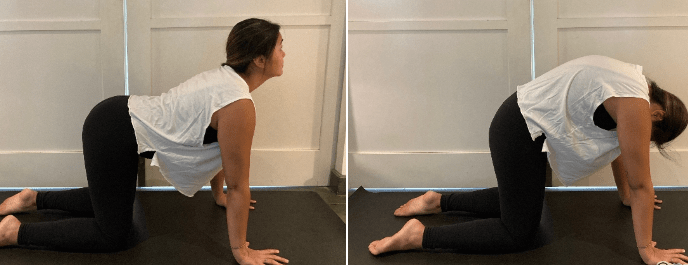
- Start on all fours, with your wrists under your shoulders and your knees under your hips.
- Inhale and arch your back, lifting your head and tailbone.
- Exhale, round your spine, tuck chin into the chest, and gaze at your belly button.
- Experiment with the hand position—turn fingers to the sides or toward the back of your body to achieve more wrist opening.
Locust Pose
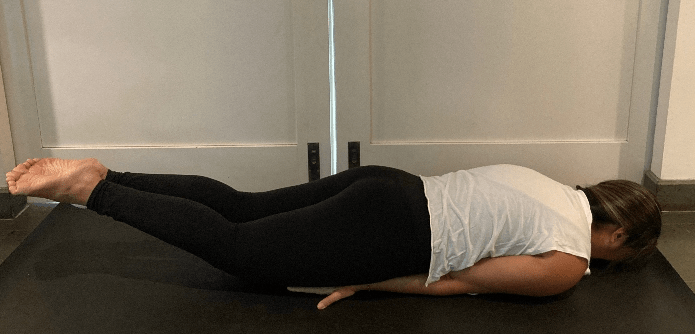
- Lie on your belly with your chin on the mat.
- Slide your arms under your body, palms facing down.
- Tighten up your pinky fingers and try to bring them together.
- Place your fingers wide apart on the mat and lift both legs off the ground.
- Tighten your legs together, curl up your toes, and activate your thighs.
- Tighten for 3–5 breaths, then slowly lower back down.
Cobra or Upward Facing Dog
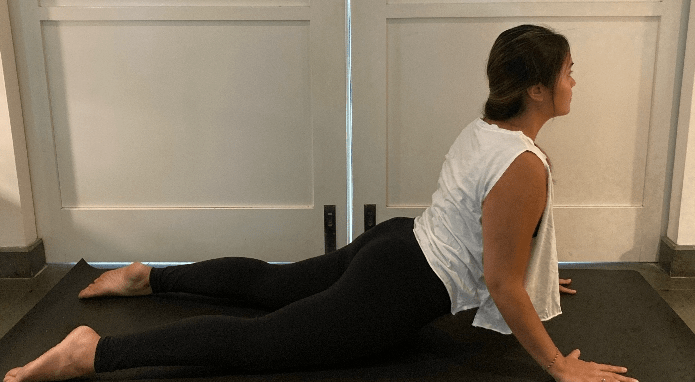
- Begin on your belly.
- Put your hands under your shoulders, fingers wide, and elbows in.
- Push your chest up, roll your shoulders down, and bring your heart forward.
- For Cobra, hold here. For Upward Dog, also lift your hips and thighs off the ground.
- Hold for 3–5 breaths before slowly coming back down.
What Causes Carpal Tunnel Syndrome?
Carpal Tunnel occurs when the median nerve in your wrist becomes compressed. This will cause pain, swelling, and tingling in your fingers and hands. Typing, smartphone use, or any repeating motion of your wrist can cause or exacerbate it. Women are indeed three times more likely than men to experience it.
Typical Causes and Risk Factors:
- Wrist injury or fracture
- High blood pressure or diabetes
- Thyroid disease
- Arthritis
- Overuse due to repetitive activities (typing, tool work, playing the piano, etc.)
- Smoking
- High Body Mass Index (BMI)
- Professions involving repetitive wrist movement (such as construction work or office work)
Warming Up Your Wrists Before Yoga
Before diving into any yoga poses, it’s a good idea to warm up first—particularly if you’re working with Carpal Tunnel. A brief warm-up can avoid putting further strain or discomfort on your wrists.
Before You Begin Your Practice:
- Check your posture: Are you standing tall with a straight spine? Poor posture really can exacerbate Carpal Tunnel symptoms. Try standing in Mountain Pose and adjust your body if necessary.
- Warm up your wrists: Make small circles with your wrists or make fists and rotate them. You can also get down on all fours and turn your fingers in toward your body to give yourself a gentle wrist stretch.
- Open your chest and shoulders: Put your fingers behind your back and slowly raise your arms. Hold a soft bend in your elbows and relax your shoulders when doing so.
Yoga Pose Alterations for Carpal Tunnel
If you have Carpal Tunnel, it’s a good idea to proceed with caution with yoga. Small changes can go a long way in easing pressure off of your wrists and avoiding irritation.
Helpful Modifications:
- Roll up your mat: Position your wrists on the edge of the rolled-up section to lift and support them in poses such as Child’s Pose or Downward Dog.
- Practice on fists or forearms: Practicing poses such as plank or Downward Dog on your forearms or fists can lessen wrist strain while still engaging the upper body.
- Use yoga blocks: Blocks are really useful for support. Put them under your forearms or hands in various postures to relax pressure and be cozy.
Practicing Yoga for Carpal Tunnel at Home
You don’t have to go to a studio to experience the benefits of yoga. Actually, a home practice can be just as beneficial. You just need a mat, some room, and perhaps a video instruction to lead you through the poses. After you’re more comfortable with the movements, you can use your body to guide you and do what feels natural.
There are hundreds of free videos online, including one that’s designed specifically for those with Carpal Tunnel. It’s a 36-minute session of stretching and strengthening the areas most likely to be affected—ideal if you sit at a desk or computer for much of the time.
Frequently Asked Questions Regarding Yoga and Carpal Tunnel
Is yoga safe if I have Carpal Tunnel Syndrome?
Yes! Provided you pay attention to your body and know what to adjust, yoga may be a safe and efficient means of controlling symptoms. Just be sure to consult your doctor first.
Which poses can I avoid or adjust?
Attempt to avoid positions that bear significant weight on your wrists, such as arm balances. If it hurts or feels uncomfortable, step back or adjust it.
What are the primary symptoms of Carpal Tunnel Syndrome?
Common symptoms are wrist pain, tingling or numbness in your fingers (particularly your thumb, index, and middle fingers), and occasionally muscle weakness. Always see your physician for a proper diagnosis.
Leave a Reply